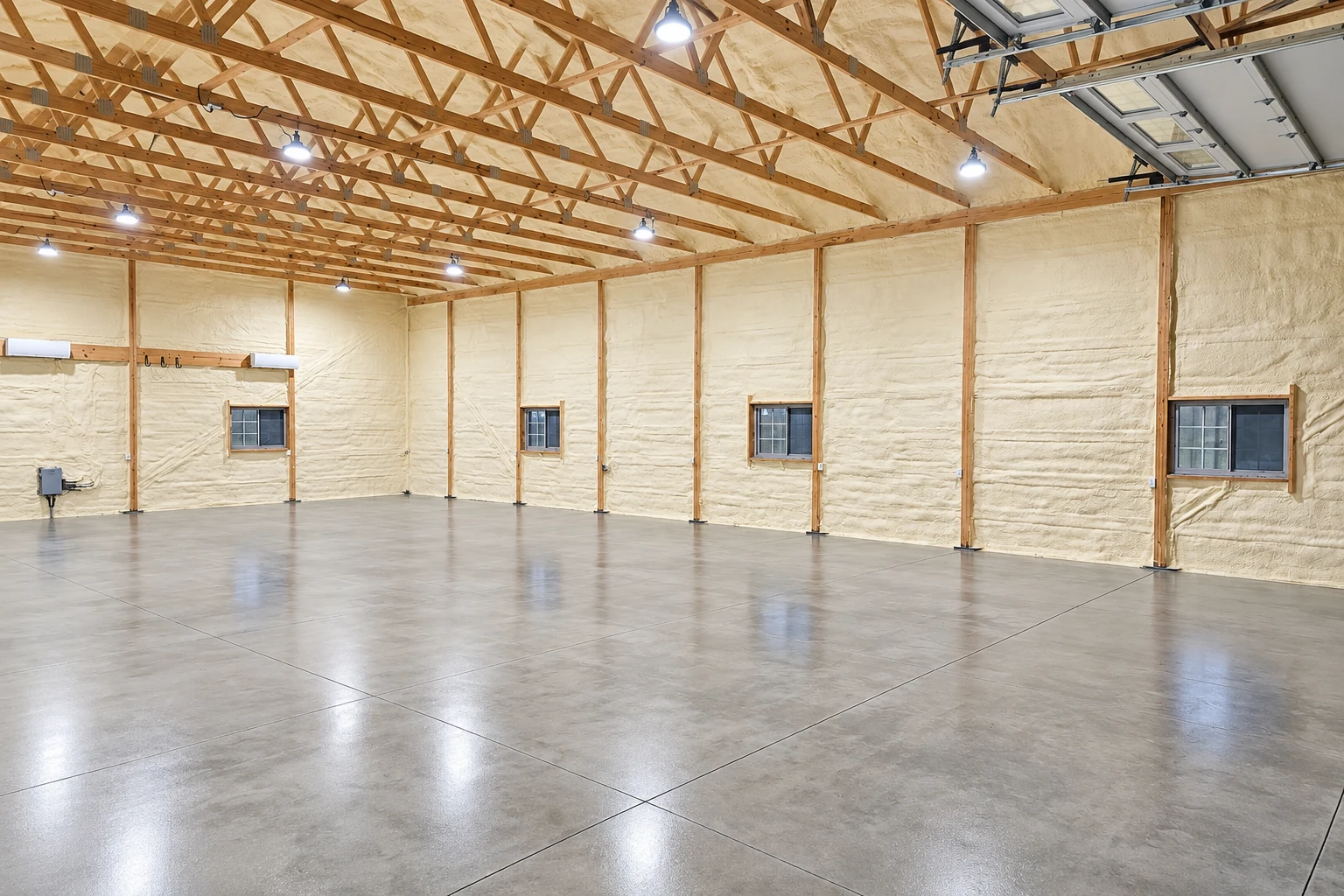
Concrete driveway building
When a driveway has cracked through or sunk where the cars sit, we dig out the old base, pack new rock and pour a slab that drains away from the garage.
Sterling Stone Tiburon Concrete builds driveways, patios, steps, walls and foundations for homes in Tamalpais-Homestead Valley, CA. I come out to look at each job myself, and our crew starts with the ground underneath and where the water goes.
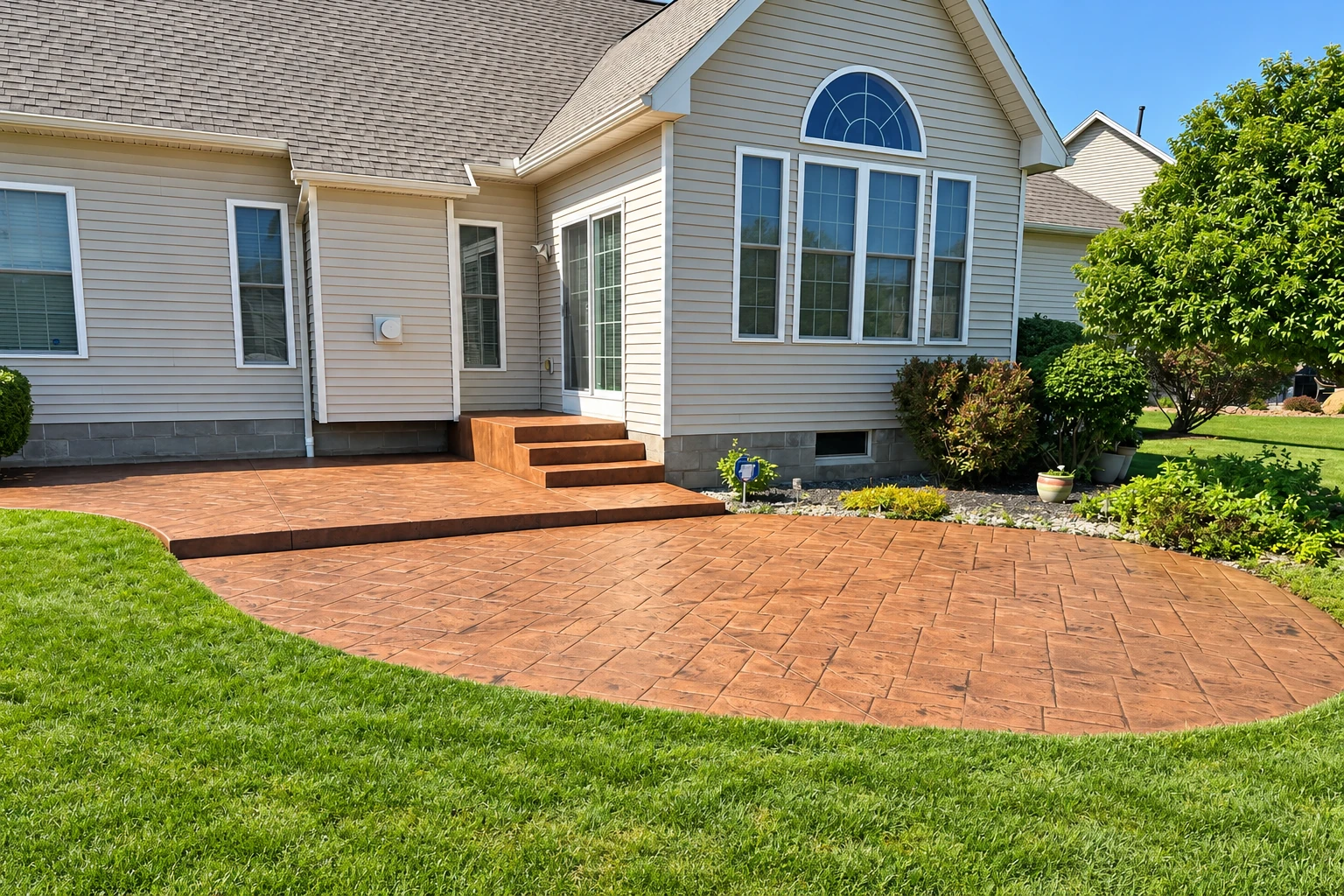
Sterling Stone Tiburon Concrete pours driveways, patios, walkways, steps and retaining walls for homes across Tamalpais-Homestead Valley, and we handle footings and foundation work too. Most of what we do here is flatwork, which covers the flat slabs you drive and walk on, and nearly all of it starts with the ground underneath.
Calls from this side of Mill Valley usually start with something you can see. A driveway has cracked across, a patio is sinking at one corner, or water pools by the garage after a rain. The cause underneath is usually the same. The old slab went down on dirt that was raked level instead of dug out and packed, so it settled along with the dirt.
Lots here often slope or back up to open land, so where the water goes matters as much as the concrete. Before I write anything up, I walk the yard with you, look at how rain runs off the roof and the hill, and ask how you'll use the space. That tells us how thick the slab needs to be and which way it should fall.
When a driveway has cracked through or sunk where the cars sit, we dig out the old base, pack new rock and pour a slab that drains away from the garage.
Good for turning a muddy or uneven back yard into a flat place to sit, with the slab sloped so rain runs toward the yard instead of the house.
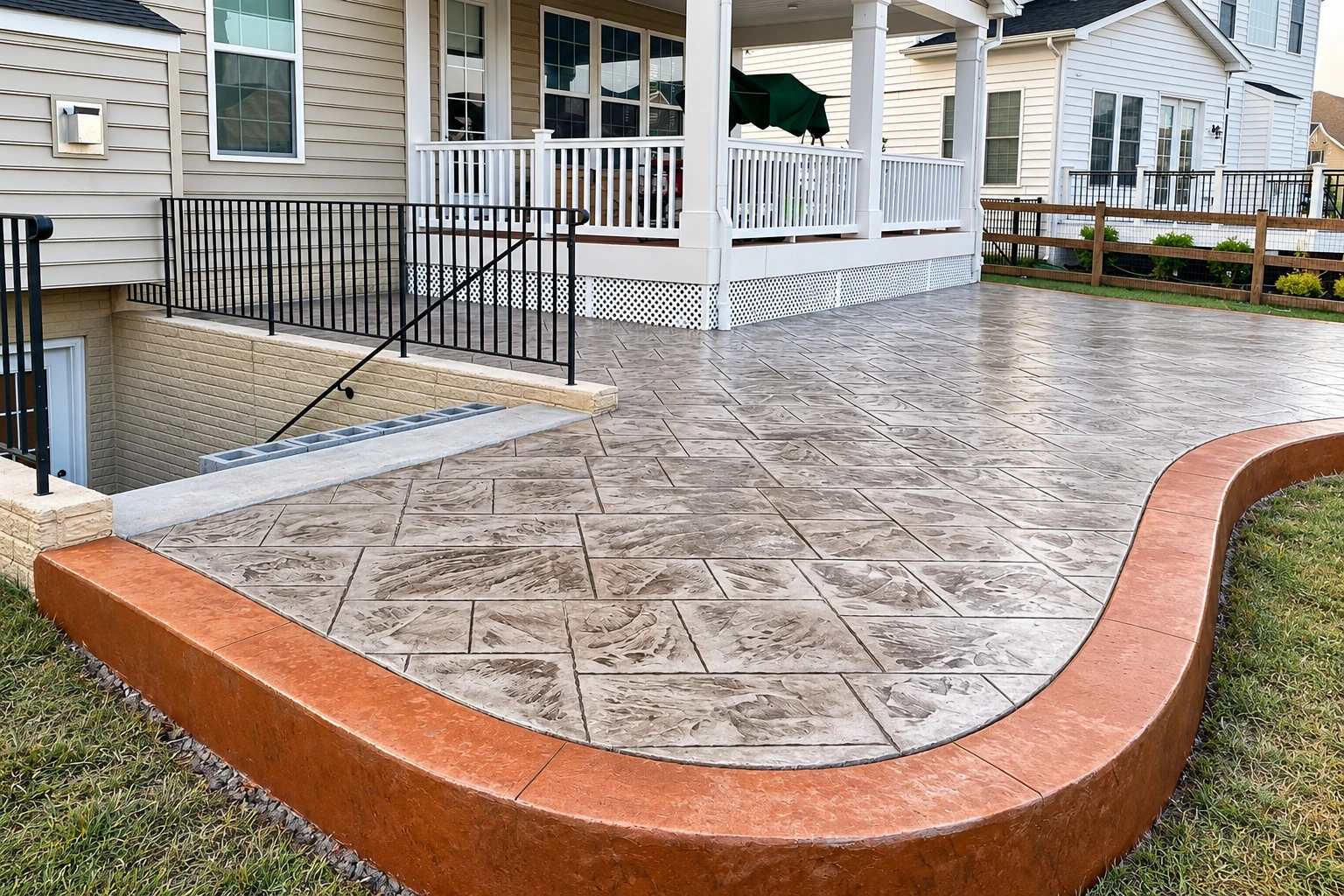
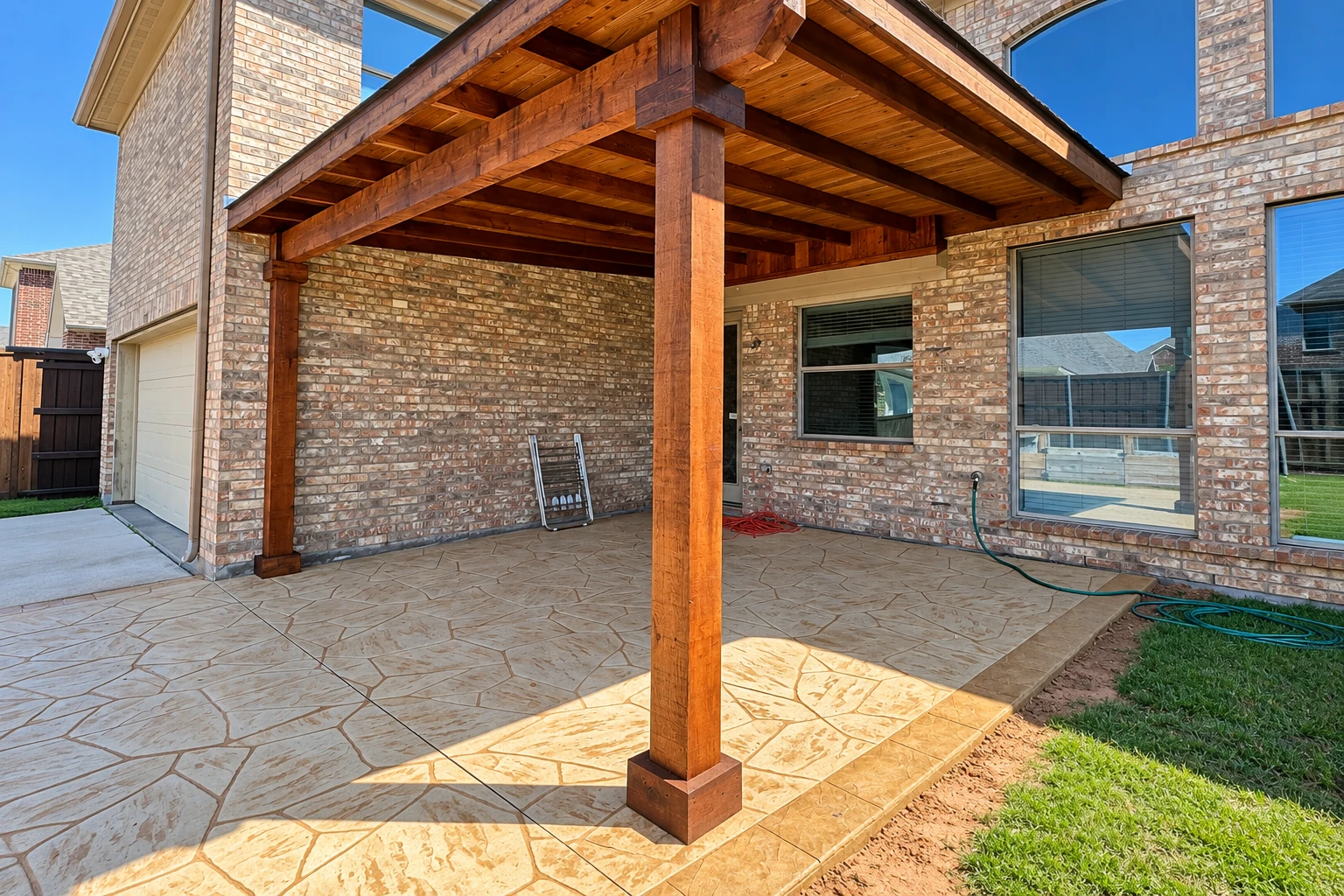
Stamped concrete presses a stone or brick pattern into the surface while it's still soft, which suits a patio or entry where you want that look without loose pavers.
A walkway to the front door that has heaved or tilted becomes a tripping spot, so we replace it with a level path that sheds water off to the side.
When a garage slab is cracked, stained or holding water at the door, we replace it with a floor built to carry a car and drain toward the opening.
Color, exposed stone and custom finishes for a patio, path or steps, picked to sit well with the house and the plants around it instead of looking like a sidewalk.
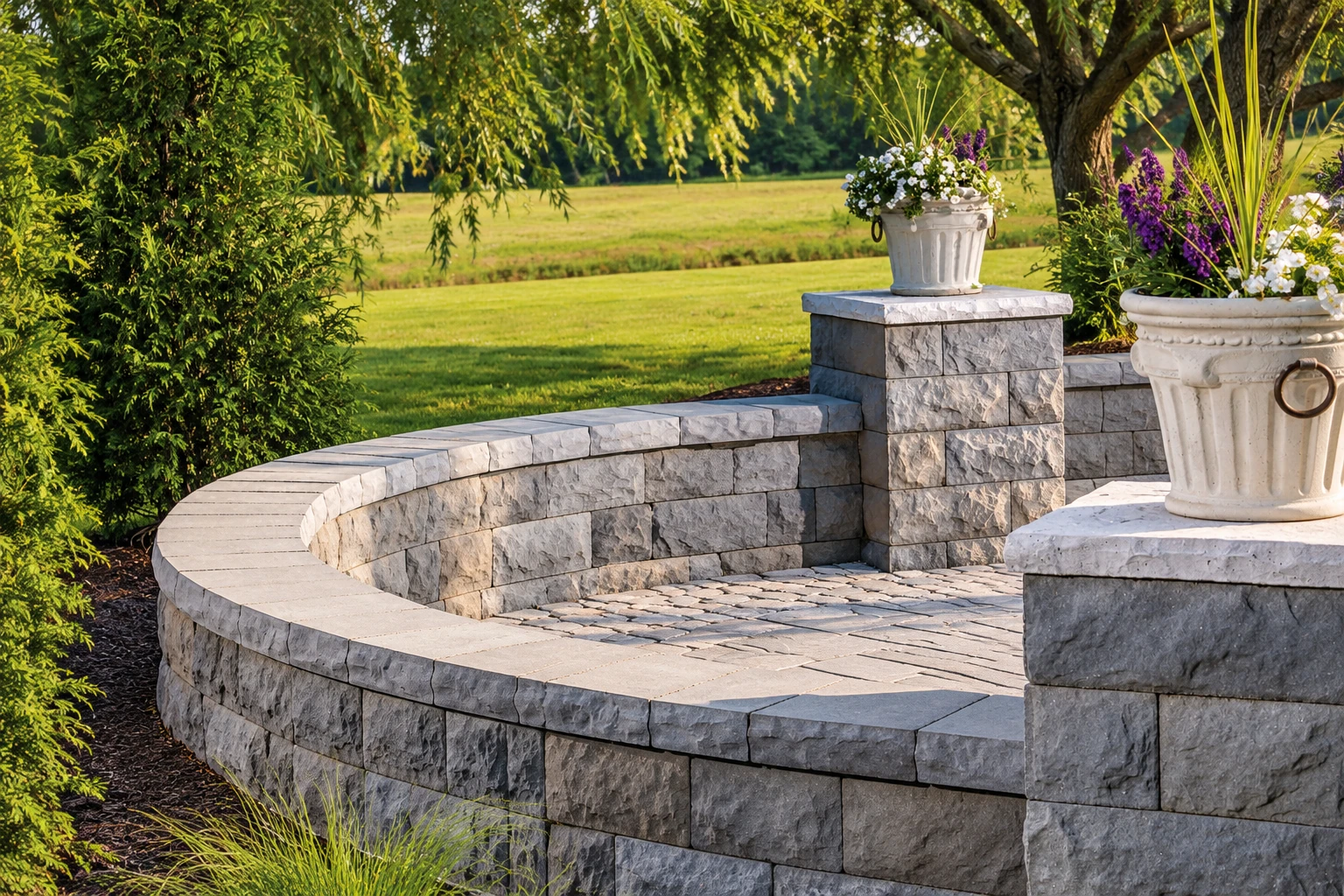
On a sloping lot, a concrete wall holds back the hill so you can level a yard or a parking spot, with drainage behind it so water doesn't push it over.
Interior slabs for a basement, workshop or addition, poured over a packed base with rebar, the steel bars inside that keep any crack from spreading apart.
A pool deck needs a surface that isn't slick when it's wet and a slope that carries splash water away from both the pool and the house.
Front or garden steps that have crumbled or settled into uneven heights get rebuilt with even rises, so nobody catches a toe coming down in the dark.
For a new garage, studio or addition, we pour a slab foundation on ground that's been dug out, packed firm and checked for where the water runs.
When a home or addition needs new foundation work, we set the forms and steel and pour footings and walls that carry the building's weight down to firm ground.
Shared parking areas and larger paved spaces get the same base work as a driveway, built heavier where vehicles turn, stop and sit.
Footings are the concrete pads under a deck post, wall or addition, and we dig them down to firm soil so whatever sits on them stays put.
If part of the house has settled and doors stick or floors slope, we look at why it moved before we talk about lifting it back into place.
We saw-cut concrete for a new doorway, a driveway widening or a damaged section, leaving clean edges so the new pour ties in neatly with the old.
Send the form and we'll reply within one business day to set a time, with no pressure and no obligation. I come out to your place in Tamalpais-Homestead Valley myself, walk the job and measure it. Then you get a written estimate that spells out what's included.
(415) 429-4397There's no city hall in Tamalpais-Homestead Valley, so the usual question of which city to ask doesn't apply here. Before we start, I find out what the county or a local district asks for on your job and help you with the paperwork, and we don't begin until any permit is in hand. We're fully licensed and insured for the work we do here.
What moves the price is mostly what's under and around the slab. That means how much old concrete comes out, how much digging and packing the base needs, how steep the lot is, and the finish you choose on top. The schedule turns on the weather, any permit, and curing, the days new concrete needs to gain strength before you use it.
We're based in Tiburon and work across Marin, including Strawberry and Corte Madera, so the sloped yards and tight driveways here are familiar ground for our crew. Your written estimate lays out the work and what's included, so you can compare it line by line before you decide anything.
I started Sterling Stone Tiburon Concrete in 2020, and I still come out to look at each job myself, write the estimate and stay on site with our crew while the work gets done. That way the person who promised you something is the one making sure it happens, and the work is backed by our satisfaction guarantee.
When a budget gets tight, the base is usually the first thing people want to trim, because nobody sees it once the concrete is down. I'd rather you cut back on a fancy finish than on the subgrade, the ground the slab sits on. A plain broom finish, the light texture that keeps feet from slipping, still looks fine years later, but a slab on loose dirt won't.
We're known for explaining what we're doing and why before anything gets poured, and I'd rather answer a question twice than leave you wondering about it later. Call (415) 429-4397 or use the contact form and tell me how you plan to use the space.
This is a valley of homes tucked between public parkland and Mill Valley, and a few things about that setting shape how we plan a pour here.
Homestead Valley sits between the Golden Gate National Recreation Area and the City of Mill Valley, so plenty of lots here run up against open hillside. On jobs like that, I look at what's uphill of your slab before anything else, because runoff from the slope above usually decides where the water ends up and which way the concrete has to fall to carry it away from the house.
HVLT, which looks after the Homestead Valley open space, asks to be told about unauthorized building on that land. Its examples include tree houses, forts and a garden pushed past the lot line onto public ground. If your patio, wall or path runs to the back edge of your yard, we pin down where your lot ends before we set any forms, so the concrete stays on your side.
Trails wind all through Homestead Valley, and some trailheads sit at a bend in the road, past a dead end or up a driveway. When we're working near one, we keep the forms, tools and fresh concrete clear of the path and clean up as we go, so neighbors and hikers can still get by while the slab cures.
Hillside homes often mean a long reach from the street to where the slab goes. On the estimate visit, I look at where the concrete truck can park and whether we'll need a pump or have to move concrete by hand, because that changes the crew and the day. It's one reason two patios the same size can be priced differently.
No. Tamalpais-Homestead Valley is unincorporated, so it sits outside any city and belongs to Marin County. The county or special districts, such as Marin Water, provide most public services, including roads and flood control. That's why I check with the county and the districts about your job instead of a city office.
The Tamalpais Community Services District does, for homes inside its boundaries. It handles wastewater collection and garbage collection, including recycling, along with parks and recreation. If your concrete project touches your sewer line or the spot where your bins sit, that district is where those questions go.
The price comes down to the size, how much old concrete has to come out, how much base work the ground needs and the finish you pick. Stamped or colored concrete costs more than a plain broom finish, and a steep lot or a long reach from the street adds labor. After I walk and measure the job, you get a written estimate.
You can usually walk on new concrete after a few days, but your car should wait longer, because the slab keeps curing well after it looks dry. Driving on it early is how you get cracks and tire marks that never come out. We'll tell you when it's ready, so you can plan where to park in the meantime.
It's far less likely to crack badly, because most of the cracking we replace comes from a weak base and missing joints. We pack the base firm and cut control joints, shallow grooves that give the slab a planned place to crack, early enough that any cracks follow those lines. Rebar keeps a crack that does form from opening up.
Clear pots, furniture and anything you want to keep out of the work area, and tell us where sprinkler lines or drains run if you know. Keep the driveway open early on pour day, because we like to pour before the midday heat dries the top too fast and leaves it weak and dusty. Keep kids, pets and cars off the fresh slab.
Call (415) 429-4397 or use the contact form and mention whether your yard slopes or backs onto open space, so I can come ready to look at the right things.