
Concrete driveway building
Steep Sausalito driveways need a packed base, steel inside the slab and a surface that grips, so we rebuild cracked or sinking drives with water steered away from the garage.
Sterling Stone Tiburon Concrete builds driveways, patios, steps, retaining walls and foundations for homes in Sausalito, CA. We're based in Tiburon, and I come out to look at each job myself before our crew pours anything.
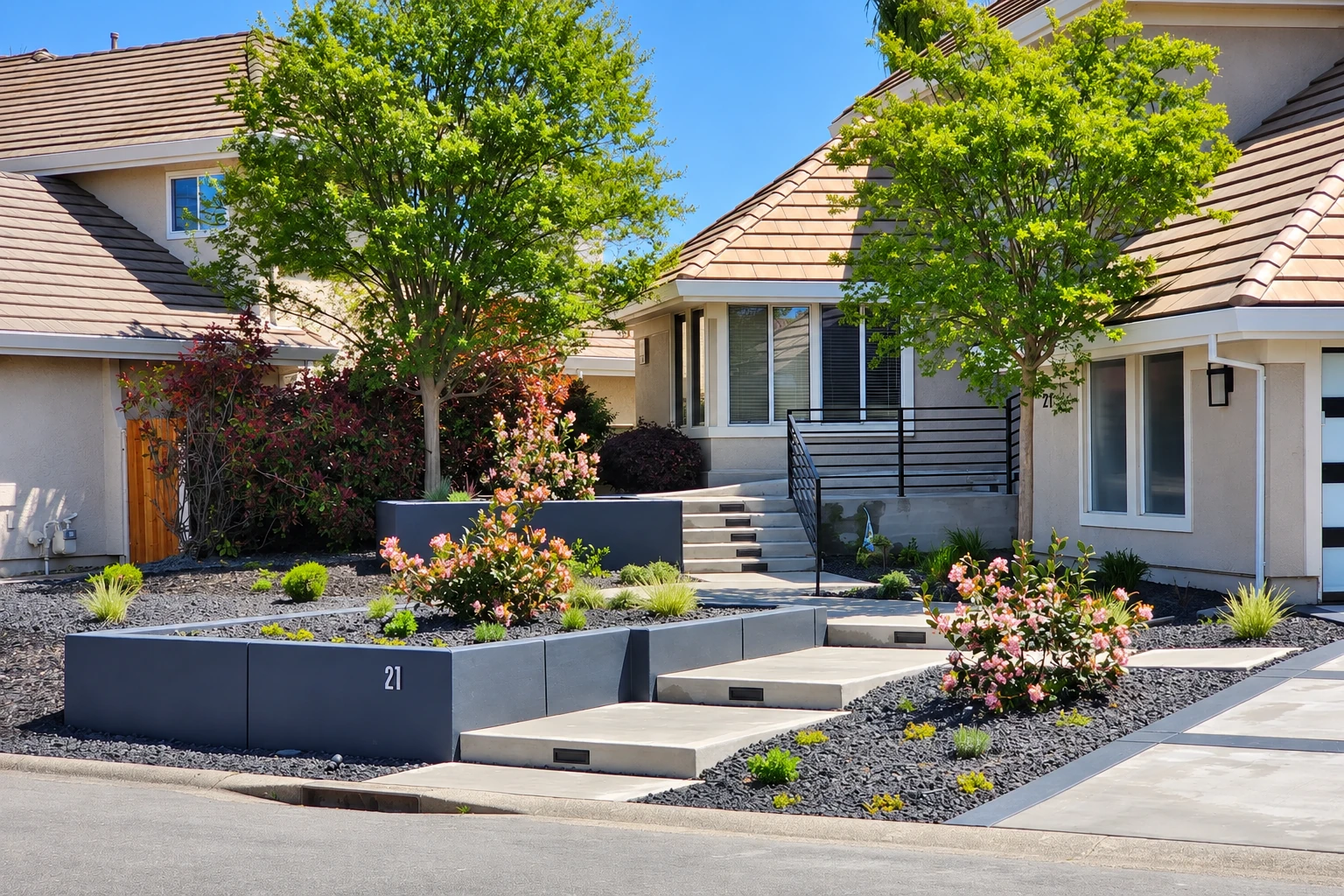
Sterling Stone Tiburon Concrete is a concrete contractor working in Sausalito, CA on driveways, patios, steps, retaining walls, garage floors and foundations. A lot of the calls we get here are about old concrete that has cracked, sunk or started holding water, usually on a lot that slopes.
Sausalito houses tend to sit on hillsides, above or below the street, with steep driveways, long runs of steps and patios cut into the slope. On ground like that, the concrete is only as good as what's under it and where the rain goes once it hits the surface, so that's where I start when I walk your lot.
When we take out an old driveway or walk here, we often find a thin base that was raked flat instead of dug out and packed, which is why it settled along with the dirt. We dig to firm ground, pack the base in layers and check the fall so water heads away from your house, the same way we work back home in Tiburon.
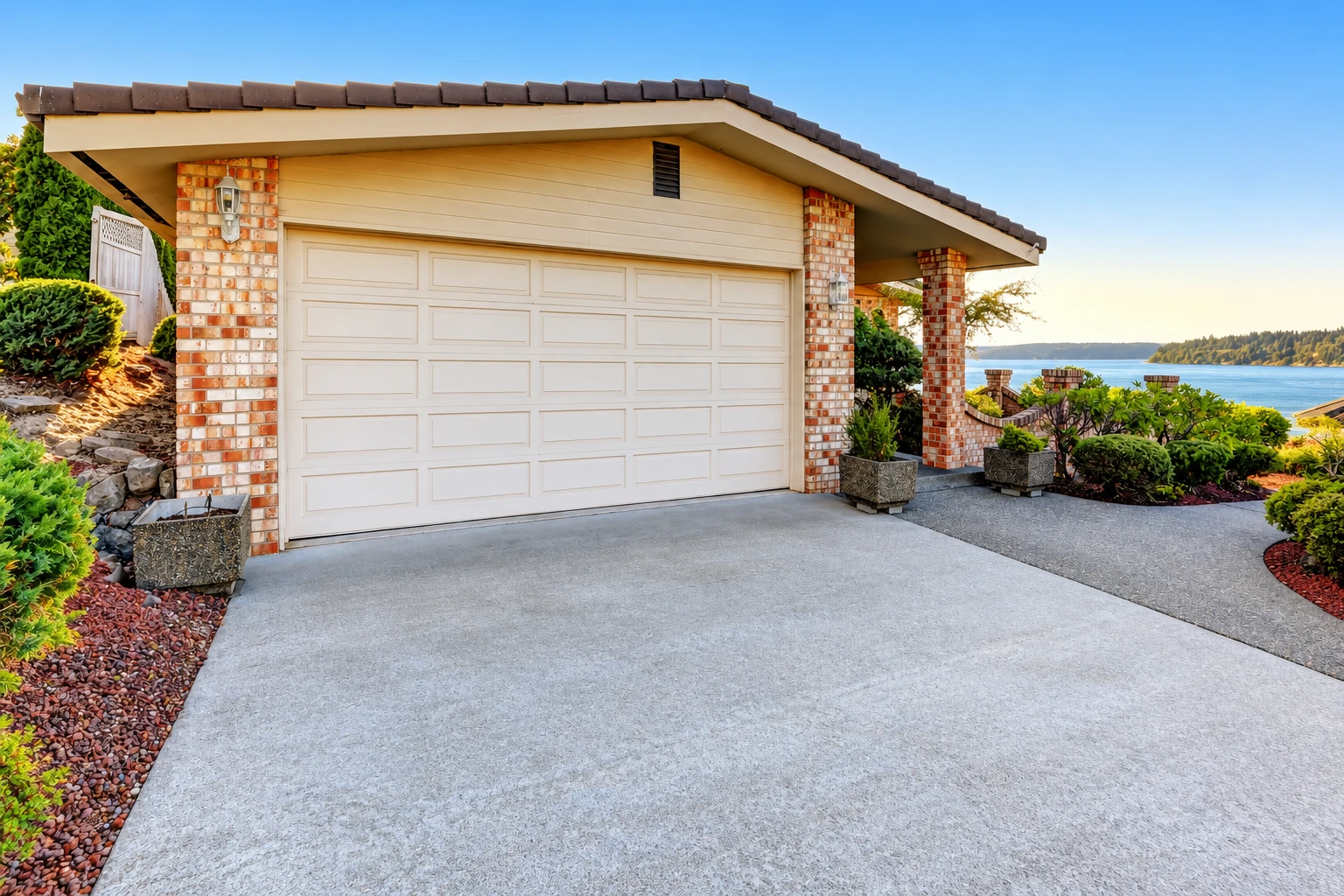
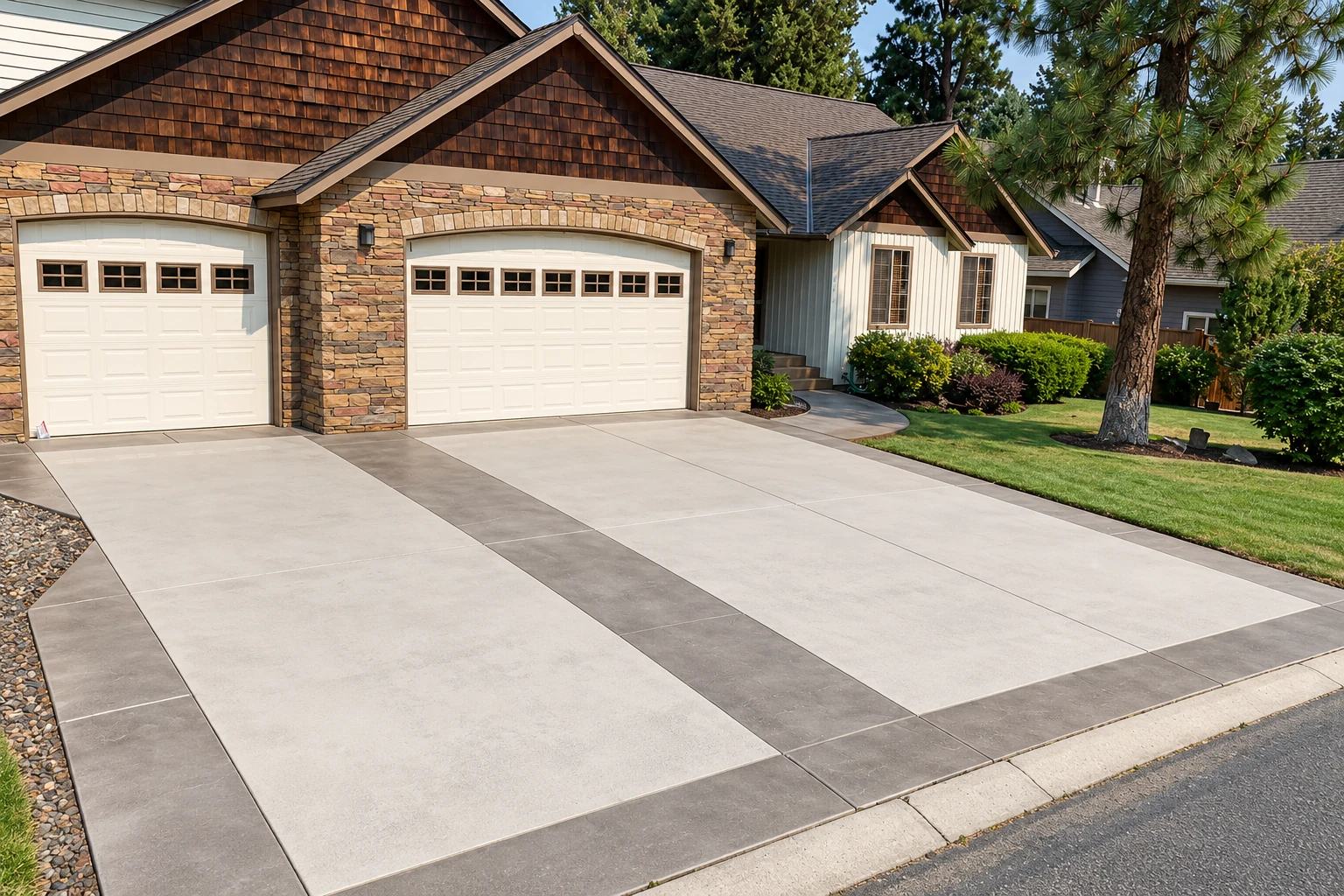
Steep Sausalito driveways need a packed base, steel inside the slab and a surface that grips, so we rebuild cracked or sinking drives with water steered away from the garage.
A patio on a sloped yard often needs a step or low wall to sit level, and we pitch the slab so rain runs away from the house.
Stamped concrete gives a terrace or entry the look of stone or slate, and we set the base and joints first so random cracks don't split the pattern.
Front walks and side paths here deal with tree roots, runoff and foot traffic, so we replace uneven or lifted sections with a packed base and a broom finish for grip.
When a garage slab is cracked, stained or sloping the wrong way, we tear it out and pour a new floor that drains toward the door.
Colored, exposed-aggregate or scored concrete suits entries and courtyards where you want more than plain gray, and I'll talk you through how each finish holds up outdoors.
On hillside lots a retaining wall keeps soil off the patio or drive, and we build drainage in behind it so water doesn't push on it over the years.
Interior slabs for studios, lower floors and additions, poured level over a packed base and ready for tile, wood or a polished finish.
A pool deck has to shed water fast and feel safe underfoot, so we slope it away from the pool and pick a finish that isn't slick when wet.
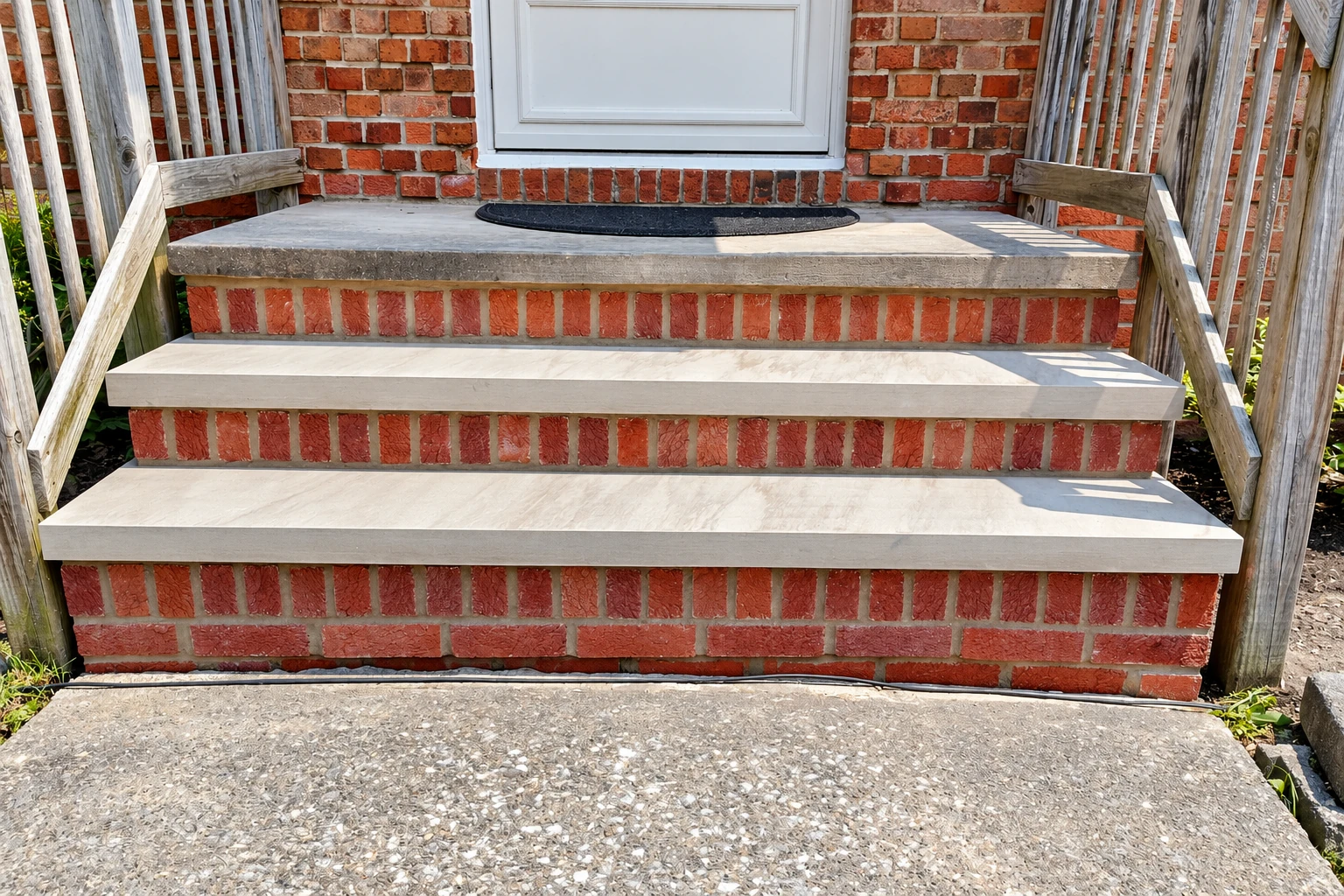
Many homes here sit well above or below the street, and we build concrete steps with even risers and a textured finish so they're safe in winter rain.
For a new garage, studio or addition, we pour a slab foundation on ground we've dug out and packed, because the subgrade underneath carries the whole building.
Footings and foundation walls for additions and rebuilds on sloped lots, set to the plans and ready for the inspection the permit calls for.
Shared parking pads and small lots for multi-unit buildings, graded so water leaves the surface instead of pooling where people park and walk.
Footings for decks, walls, stairs and posts, dug down to firm ground so whatever sits on them stays put on a slope.
If part of a slab or foundation has sunk and doors stick or floors tilt, we look for the cause first, usually water or soft ground, then lift it back.
We saw-cut openings, trenches for drain lines and clean edges where old concrete meets new, plus control joints so a slab cracks along lines we picked.
We reply to Sausalito calls and messages within one business day, and there's no pressure and no obligation. Then I come out myself, walk the job, measure and give you a written estimate that spells out what's included.
(415) 429-4397In Sausalito, building permits come from the Building Division of the City of Sausalito, and every permit it issues comes with an inspection. That shapes the schedule more than anything we do on site, because we don't start until any permit your job needs is in hand, and we plan the work around the inspection. I find out what the city asks for on your job and help you with the paperwork.
What moves the price is mostly what you can't see in a photo: how much old concrete comes out, how far down we dig to reach firm ground, how steep the lot is and how close a truck can get. Size and finish matter too, since stamped or colored concrete costs more than a plain broom finish. My written estimate spells out what's included, so you can compare it fairly.
We're based in Tiburon and do the same work across Marin, in Mill Valley and Kentfield, up to Novato and over to Richmond. Sausalito jobs tend to be tighter than most, with less room to stage and steeper ground, so I work out access and the order of the work at the estimate instead of on pour day.
I come out to look at every job myself, write the estimate, and I'm on site with our crew while the work gets done. I started this business in Tiburon in 2020 after learning the trade on small jobs and next to people who'd been at it for years, and I'd rather answer a question twice before we pour than leave you wondering about it later.
When a budget gets tight, the base is the first thing people want to cut, because nobody sees it once the slab is down. I'd trim the fancy finish before I'd trim the base, since a plain slab on packed ground holds up and a stamped one on loose dirt tends to crack and sink. We also pour early in the day, so heat doesn't leave a weak, dusty top.
We're fully licensed and insured, and every job is backed by our satisfaction guarantee. If you'd like to talk through a driveway, patio or wall, call (415) 429-4397 or send our contact form, and tell me how you use the space now.
Most of what decides how long concrete lasts here comes down to slope, rain and access. These are the things I look at on a Sausalito lot before we plan a pour.
The bay region runs on wet winters and dry summers, and concrete here shows both. Winter is when a slab that falls toward the house, or a drive with nowhere for runoff to go, shows up as pooling water and damp garage walls. Summer is easier for pouring, though midday heat can dry the top too fast, so we start early and keep the slab damp while it cures and gains strength.
A steep driveway needs more care than a slab on flat ground. We check how the drive meets the street and the garage so cars don't scrape, give the surface a broom finish so tires and shoes grip in the rain, and plan where water leaves the concrete before it reaches the street or a neighbor's yard.
Narrow streets, shared driveways and homes set well above the road can make it hard to get a concrete truck close. Sometimes that means pumping concrete up to the forms or bringing it in smaller loads, which changes how we plan the day. I sort that out at the estimate, so nobody is surprised when the truck shows up.
Plenty of slabs here were poured long ago over whatever ground was handy. Once the old concrete is out, we can see the subgrade, the soil the slab rests on, and decide how far to dig and how much base to bring in. That's the one part of the job I can only judge once it's open, and I'll tell you what we find before we go on.
Yes, every building permit the city issues requires a building inspection. The inspector checks the work against the California Building Code, the state's construction standards, and against Sausalito's own ordinances. Permit and inspection questions go to the Building Division at (415) 289-4128 or cdd@sausalito.gov, and we have the work ready for that visit.
In-person inspections run Mondays to Thursdays, from 9 A.M. to 12 P.M. and from 1 P.M. to 4 P.M. Since in-person inspections don't run on Fridays or weekends, we plan the work so the stage that needs checking is ready early in the week, not late on a Thursday.
There's no fair number until I've seen your lot, because cost here follows the site more than a set rate. Hauling out a thick old slab, building up a soft base and pumping concrete uphill all add to it, while a plain broom finish on a simple shape keeps it down. Our concrete driveway page explains the work in more detail.
You can usually walk on new concrete well before you can drive on it, because it keeps gaining strength for days while it cures. I'll give you the day for each based on that week's weather, and until then keep cars, bikes and heavy planters off it so the surface doesn't get marked or cracked.
Concrete can still crack, but good prep usually means it cracks where we plan and doesn't sink. We cut control joints, shallow grooves that give the slab a chosen place to crack, on time instead of late, and set rebar, steel that holds the pieces together. Most of the rest comes down to the packed base underneath.
Clear cars, planters and furniture from the work area and the path in from the street, and tell us about sprinklers, drain lines or anything buried nearby. If your street is narrow, a quick word with neighbors about the truck on pour day helps. Keep kids and pets off the fresh slab until I say it's ready.
Call (415) 429-4397 or use our contact form and tell me where the water goes on your lot when it rains, because that's the first thing I'll look at when I come out.