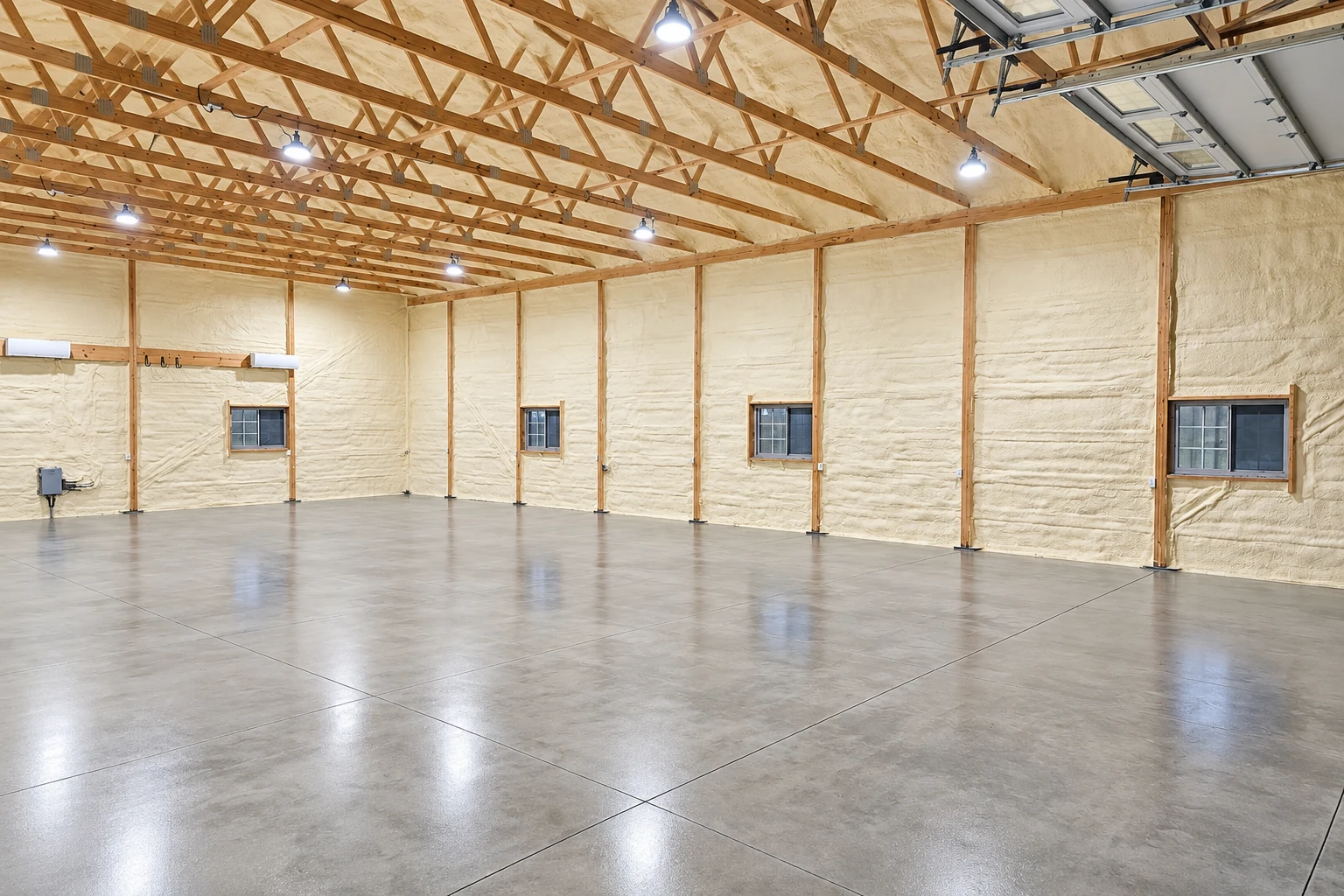
Concrete driveway building
Steep Mill Valley driveways move a lot of water downhill, so we dig out and pack the base and set the slope before we pour a new driveway.
Sterling Stone Tiburon Concrete is a concrete contractor based in Tiburon that pours driveways, patios, steps, retaining walls and foundations for homes in Mill Valley, starting with the ground underneath and where the water will run.
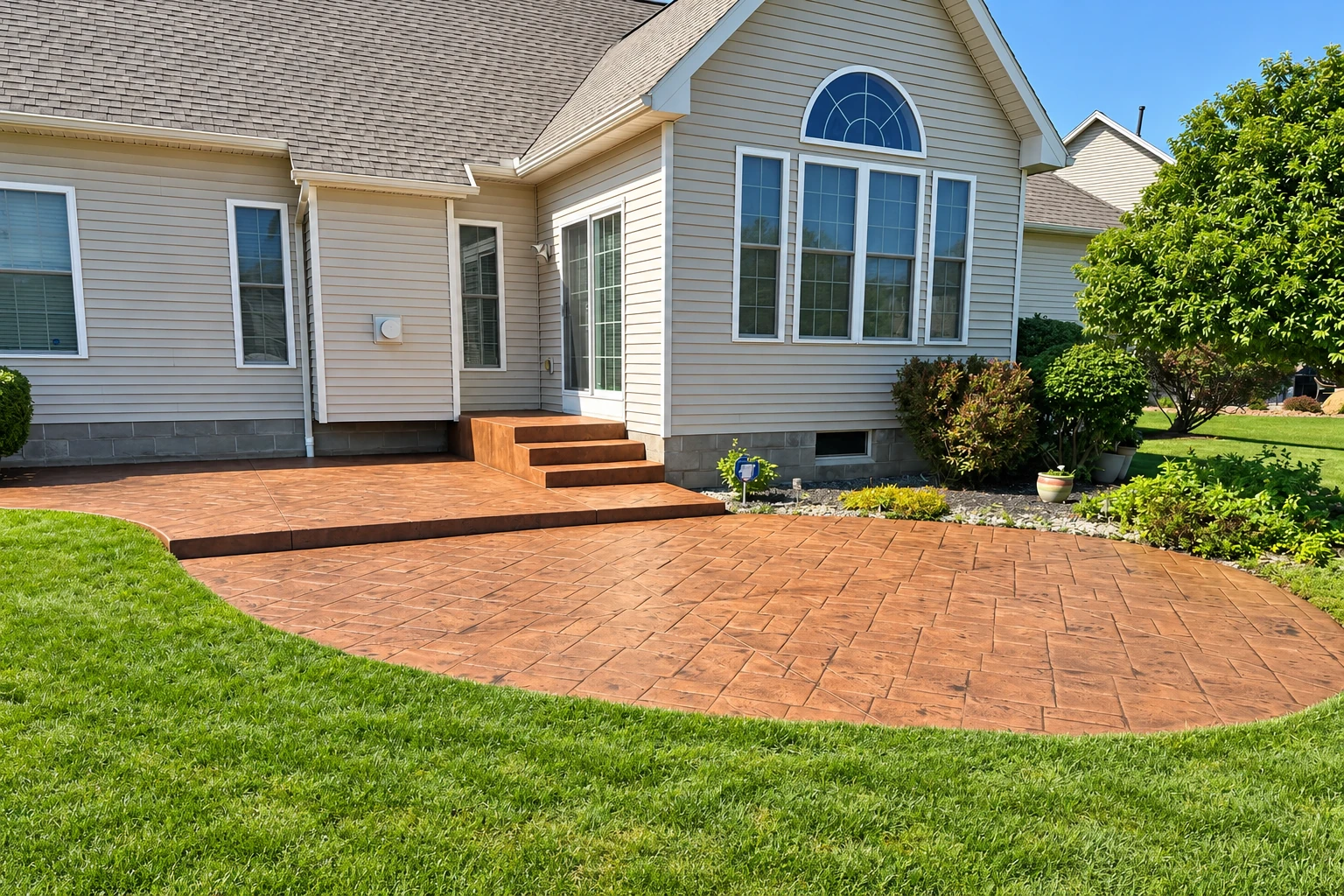
Sterling Stone Tiburon Concrete pours and replaces driveways, patios, walks, steps, retaining walls and foundations across Mill Valley. Most calls here start with a cracked driveway, a patio that holds water or crumbling entry steps, and I come out from Tiburon to look at each one myself before we talk about a price.
A lot of Mill Valley homes sit on slopes, so driveways climb from the street and backyards step down in levels held up by old walls. That means the job is rarely just a slab. On a hill, where the water goes matters as much as the concrete, because a patio or driveway that tips toward the house sends runoff right at your foundation.
Plenty of older concrete here was poured on raked dirt instead of a dug-out, packed base, which is usually why it has sunk or tipped. When we replace it, the old slab comes out, we dig to firm soil, pack the base and set the slope before the forms go in. We do the same work nearby in Sausalito and Corte Madera.
Steep Mill Valley driveways move a lot of water downhill, so we dig out and pack the base and set the slope before we pour a new driveway.
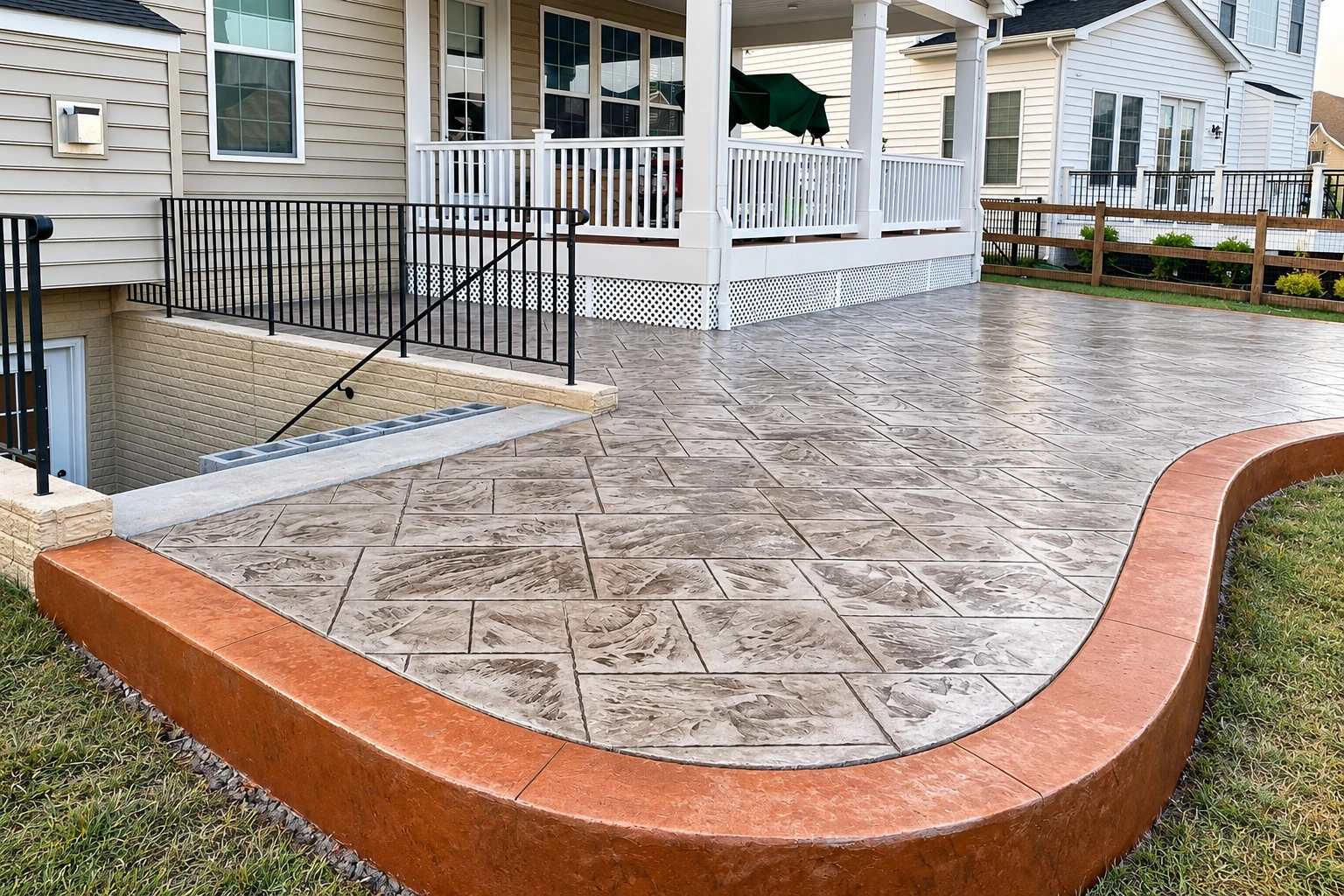
A patio off the back door should shed water away from the house, so we check where your yard drains before we set forms for the slab.
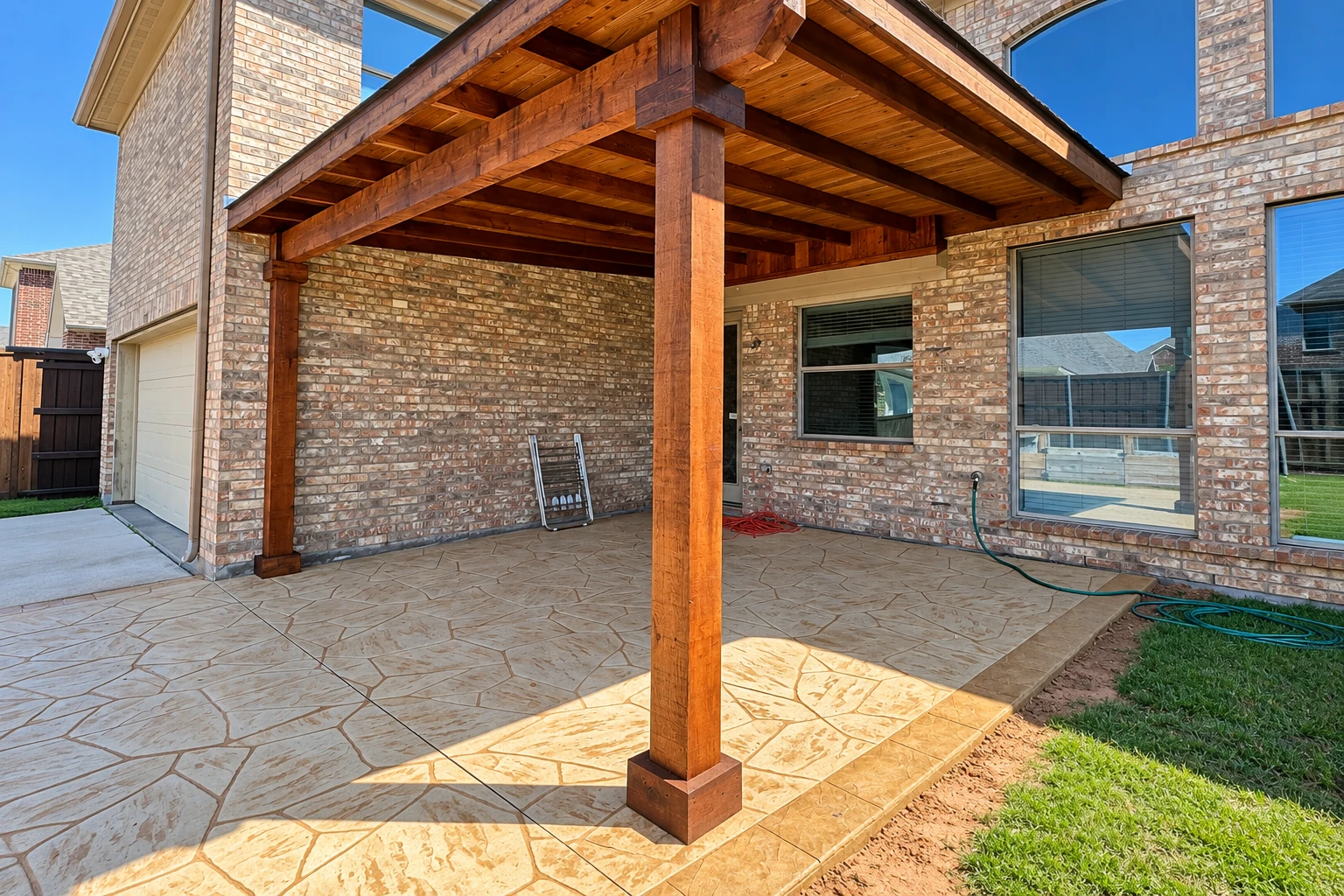
Stamped concrete presses a stone or brick pattern into the surface, which suits a patio or walk when you want that look without loose pavers to weed.
Front walks and side paths that have heaved or cracked can trip people up, and we replace them with a slab that's packed underneath and sloped to drain.
A cracked or sinking garage floor usually means the ground below it moved, so we break out the old slab and fix the base before pouring a new one.
Colored concrete, exposed aggregate or a custom border can tie a new patio or walk to an older house, and we'll show you samples before you choose.
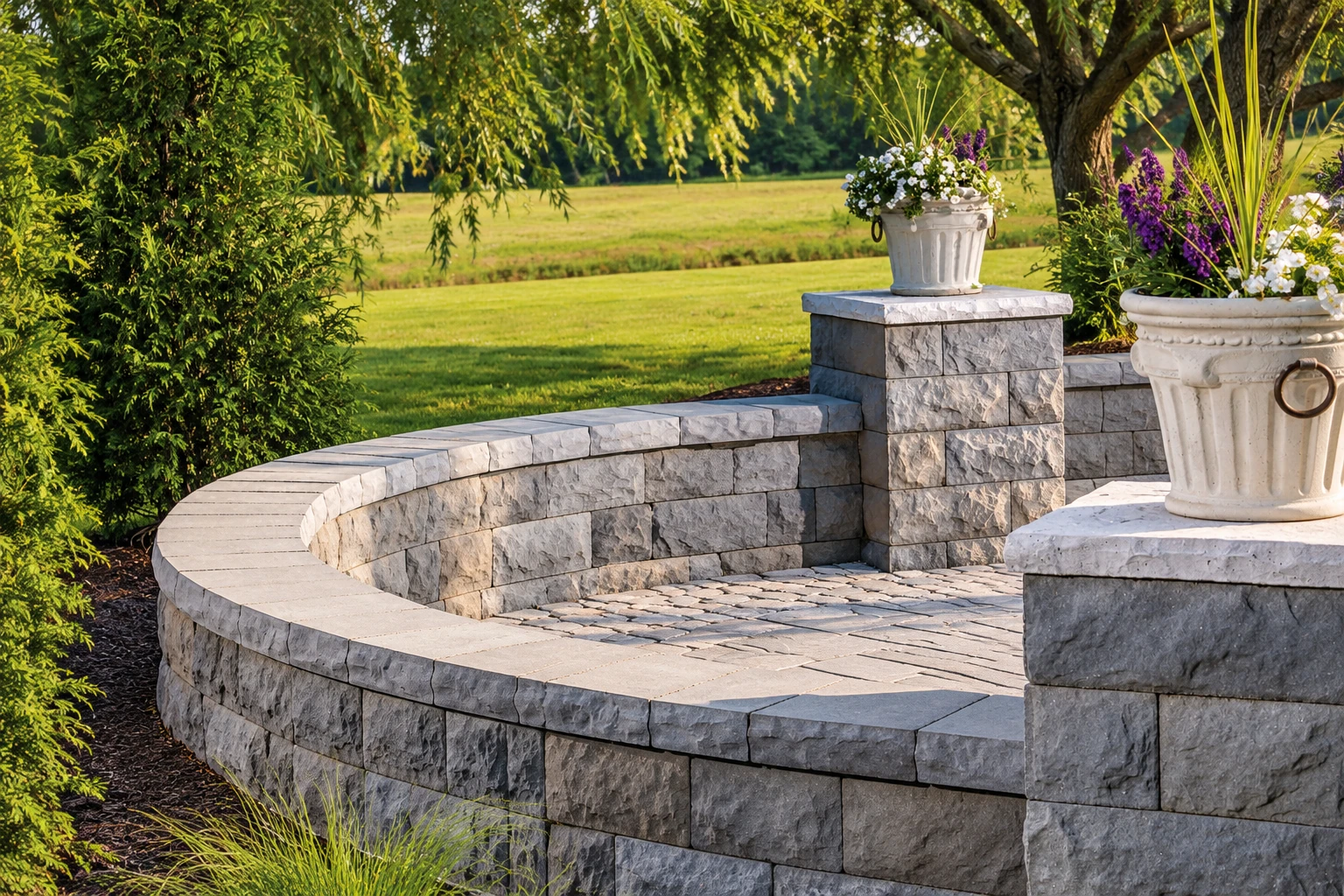
On sloped lots a retaining wall holds the hill back from a driveway or yard, and we plan its footing and the drainage behind it before anything else.
Interior concrete floors suit basements, studios and additions, and we prepare the subgrade, the ground the slab sits on, so the floor stays flat.
A pool deck takes splashing water every day, so we slope it away from the pool and the house and give it a surface that isn't slick underfoot.
Hillside homes often have long runs of entry steps, and we rebuild worn or crumbling ones with even risers and rebar, steel bars that hold the concrete together.
For an addition, ADU or garage on level ground, a slab foundation sets the building on one solid pour, and the base work under it decides how well it holds.
New foundations under additions and rebuilt older homes start with digging to firm ground, and we look at the soil and the slope with you before quoting.
Parking areas for small buildings and multi-unit properties need water to run off a wide surface, so we plan the grade and the joints before the pour.
Decks, walls, posts and additions rest on footings, the concrete pads under the load, and on a slope we dig them down until they sit on firm ground.
When a house has settled and doors stick or floors slope, foundation raising lifts it back toward level, and we look for why it sank before we start.
We saw-cut concrete for new drain lines and openings, or to take out one damaged section of a driveway or patio without breaking out the whole slab.
We reply to every call and message within one business day to set a time that works for you. I come out to your Mill Valley property myself, walk the job and measure it, then give you a written estimate that spells out what's included. It's free, with no pressure and no obligation.
(415) 429-4397If your house is inside Mill Valley city limits, the city's Building Division issues permits, reviews plans and inspects the work, so it decides what your driveway, wall or foundation needs. Some Mill Valley addresses aren't in the city at all. Homes in Tam Valley and Homestead, Strawberry, Almonte and Alto sit in unincorporated Marin County, outside the city's jurisdiction, so we check with the county for those jobs instead.
Permits set the start date, because we wait until any permit is in hand before we start, and we help you with the paperwork. Many construction projects in the city need a Construction Management Plan, which covers parking, truck routes and where materials sit, and it's approved before the permit is issued. The city requires any business working inside city limits to get a city business license before starting, which is fair to ask any contractor about.
Price here turns mostly on the ground and the access: how much old concrete comes out, how deep we dig and pack the base, how steep the lot is, and how close a truck can get on a narrow street. Stamping, color, walls and steps add to it. After the pour comes curing, the days concrete needs to gain strength before you use it, and my written estimate spells out what's included for your job.
I started this business in Tiburon in 2020, and I still come out to look at each job myself, measure it and write the estimate. I'm on site with our crew while the work gets done, so the person who walked the job with you is there watching the base go in. We're fully licensed and insured, and our work is backed by our satisfaction guarantee.
When the budget gets tight, the first thing people want to cut is the base, because on pour day nobody sees it. I'd rather trim the finish, going with a plain broom finish instead of stamping, than skimp underneath, because a fancy surface on a weak base sinks and cracks just the same. A broom finish is the light texture we drag across wet concrete so it isn't slick underfoot.
Bring every question you have to the estimate, because I'd rather go over something twice before the pour than leave you guessing afterward. We'll ask how you use the space too, since that shapes the slab. To set one up, call (415) 429-4397 or send us your address and project through our contact form.
Most of what makes concrete work different here comes from the ground and the streets, not the concrete itself. These are the things we look at on almost every Mill Valley estimate.
Steep driveways need a surface tires can grip, so we give them a broom finish rather than a smooth one. The tricky spots are where the slope changes, at the street and at the garage, because a sharp break there scrapes bumpers and collects water. We shape those transitions while we're setting forms, when they're easy to adjust, instead of living with them after the pour.
On a hillside, runoff from above has to go somewhere, and a new patio or walk can either carry it away or send it at your foundation. Before we set forms, we check how your yard drains, set the slab to fall away from the house and talk with you about drains where the slope is working against us. Pooling water on an old slab usually points back to this.
Plenty of streets here are narrow, with little parking and sharp turns, and that shapes how concrete gets to your yard. Sometimes the truck can back right up, and sometimes we pump the concrete or wheel it in over a longer distance, which takes more hands and more planning. We look at access during the estimate so it's part of the price from the start.
Mill Valley yards have a lot of big trees, and their roots are a common reason a front walk or patio edge has lifted and cracked. When we replace that concrete, we talk with you about the tree before cutting any roots, leave room around the trunk where we can and pack the base well so it doesn't settle later as old roots break down.
Not always. The city's permit handout says a retaining wall no taller than 4 feet, measured from the bottom of the footing to the top of the wall, needs no building permit unless it's holding up extra weight, like a driveway or more hillside above it. Planning or Public Works can still set conditions on exempt work, so we check before we dig.
Your driveway's cost comes from a written estimate after I measure it, because size, how much old concrete comes out, base work, slope and truck access move it more than anything else. Plain broom-finished concrete costs less than stamped or colored. Our concrete driveway page goes deeper into the choices that raise or lower it.
You can walk on new concrete well before you can drive on it, because the slab keeps gaining strength for days after the pour while it cures. I'll tell you when your driveway is ready for feet and when it's ready for cars, and until then we'll sort out where you park so the fresh edges aren't loaded early.
Concrete can still crack, but a packed base and control joints keep cracks small and in places we choose. Control joints are grooves we cut so the slab cracks along a straight line instead of wandering across it, and we cut them on time instead of late. We also plan pours so we're not finishing in midday heat, which leaves a weak, dusty top.
Clear the work area of cars, planters and furniture, and show us where sprinkler lines, drains or anything else is buried. On pour day, keep kids and pets away from the slab, since fresh concrete takes prints until it sets. If parking is tight on your street, a word with your neighbors ahead of time helps the truck get in.
Yes, when the rest of the slab is sound, we can use concrete cutting to take out the damaged section and pour a new one in its place. New concrete rarely matches old concrete's color exactly, and if the base has failed under most of the driveway, a patch just moves the problem, so I'll tell you which one you have.
Call (415) 429-4397 any day of the week, early mornings and evenings included, or use the form, and with your address in hand we can check whether the city or the county handles your job before I come out.